

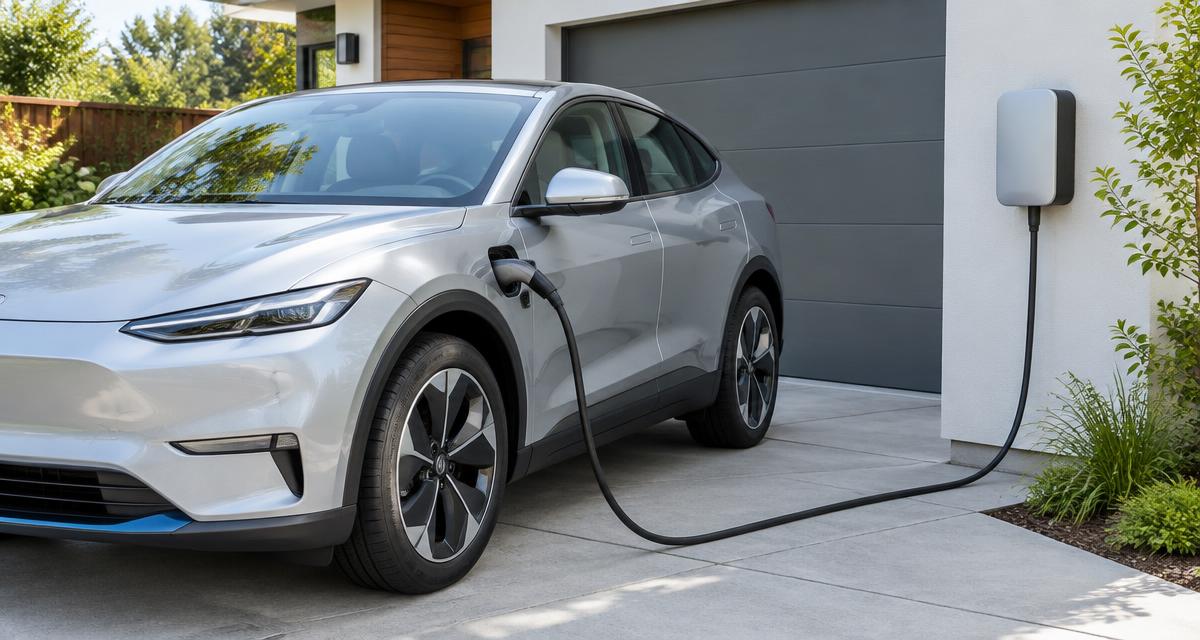
Electric cars are now part of everyday traffic, and e-bikes and scooters share the same streets. More owners now face safety questions that gas cars rarely raised: How should I charge at home? What does a battery fire look like, and why is it different? What should I do after a collision involving an EV?
To help, we’re adding a new resource for readers: Ride Smart, Ride Safe: The Electric Vehicle Safety Guide, published by the Rob Levine law firm. It’s a plain-language overview of safety for electric cars, e-bikes, scooters and other personal electric vehicles.
What the guide covers
- Safe charging habits at home, including using the right equipment for each vehicle
- Battery risks, including warning signs of damage or overheating
- Riding and driving safety for e-bikes, scooters and skateboards
- What parents should know before kids ride electric devices
- Practical steps to take after an accident
A few EV Digest reminders for car owners
- Charge with certified equipment. Use a UL-listed charger installed to code. Our Home EV Charger Guide and Level 2 Installation Cost guide explain what a proper setup looks like.
- Use the right adapter. If you charge a non-Tesla EV at a Supercharger, use an adapter approved for your vehicle and that charging network. See our NACS Adapters Guide.
- After any significant collision, have the battery pack inspected by a qualified service center, even if the car seems fine. Damaged battery cells can overheat hours or days later.
- In a fire, get everyone clear and call 911. Tell responders the vehicle is electric. Don’t try to put out a battery fire yourself.
Safety information changes as the technology does. We’ll keep updating our guides as standards, recalls and best practices change.
EV Digest curates electric-vehicle news and guides from credible sources. We have no affiliation with the publisher of the linked guide and received no payment for this listing. This resource note is general information, not legal advice; follow your vehicle manufacturer’s instructions and emergency responders’ directions.